Tuesday, February 28, 2012
Excela’s Heart Catheterization Lab Recognized for Excellence
Cardiac catheters are the primary tool of interventional cardiac care. They are used to diagnose heart or blood vessel problems. Injected into an artery in your arm or leg, catheters are then guided to the heart, where they can measure blood pressure, or by injecting a special dye, indicate any blockages. When a blockage is identified, the catheter can also be used to repair the situation.
Those procedures includes: Balloon angioplasty - where a small "balloon" is inserted and inflated to widen a blocked or narrowed blood vessel, Vascular stenting: during an angioplasty, a small wire mesh tube (stent) is placed within a blood vessel to help it remain open, Thrombectomy: A means of removing a blood clot from a blocked artery and Atherectomy, where a catheter with a special drill grinds away hardened, fatty material (plaque) that causes artery blockage.
Excela Health‘s heart catheterization lab becomes the first in Pennsylvania and one of five in the nation to receive a catheterization accreditation from the Accreditation for Cardiovascular Excellence (ACE). The guidelines are used to assure that patients are receiving effective, quality health care. The accreditation comes less than a year after an internal review found 192 patients who may have unnecessarily been treated with tiny wire mesh tubes in heart vessels.
Seventy five of those patients filed lawsuits against the hospital. Chief Medical Officer Jerome Granato said they've turned the negative experience into a positive. "The problems that we had could have really damaged an institution, but we used those problems as a way really to rally our organization, to focus on who we were and to have our actions speak louder than our words," said Granato.
Excela voluntarily sought ACE cardiac accreditation which shows their uncompromising commitment to provide quality care to its patients.
Excela has also has taken the opportunity to hire 11 new Cardiologists, bringing the total of Cardiologists on staff to 16 professionals.
“We took this opportunity to really restructure the cath lab from the ground up, with our aims being not just to meet these requirements, but this was an opportunity to exceed these requirements and try to set really a new standard in terms of patient safety," said Dr. Howard P. Grill, medical director of Excela's Cardiac Catheterization Lab.
Tuesday, November 29, 2011
Estate Planning Essentials
Provided by:
Regina Beatty, CRPC
Mosaic Consulting
Private Wealth Advisors
One Northgate Square
Greensburg, PA 15601
regina.beatty@LFG.com
724-834-8100
The purpose of an estate plan is to take care of your loved ones, and your legacy, after you’re gone. But the logistics of how to do that may not be so obvious.
While the basics are straightforward—you likely have a will and have filled out beneficiary forms for investment accounts and insurance policies—you may not be sure about when and how to implement more sophisticated tools such as trusts. “There is no one-size-fits-all approach,” says Elizabeth Schwartz, an estate planning attorney in Miami. “The process will be different for everybody because each estate has a unique set of circumstances to consider: number, if any, of children, how complicated your assets are, the maturity of your beneficiaries; it’s really a bespoke process every time.”
Still, there are some common focal points that can help you begin. Often, Schwartz says, life changes—from an illness to a new marriage—are common catalysts that force some to begin thinking about their estate plan. But a more proactive approach has advantages, from ensuring tax efficiency to guaranteeing family harmony.
First steps
If you don’t already have a will, draft one now. This can be as simple as working with a lawyer to spell out who will serve as guardian to your young children or who will serve as trustee to distribute your assets and oversee the execution of your estate plan.
At the same time you write your will, draft a durable power of attorney giving the person you name the authority to manage your financial affairs if you are unable to. Likewise, a healthcare proxy authorizes someone you trust to make medical decisions on your behalf, and it’s a good idea anytime—especially if you are single.
Turn to trusts
Trusts are powerful tools that can allow you to pass a portion of your wealth to your heirs in tax-efficient ways, set limits on the ways the assets can be used, and provide a degree of protection for the recipients. Generally, trusts are seen as something that only those who enjoy “family wealth” should consider. “But there’s no real threshold,” Schwartz says. “It’s different for each situation. Something as simple as having minor children or a spendthrift family member may call for the creation of a trust.”
Many people establish trusts in their early to mid-50s, when they’ve accumulated significant wealth and have begun thinking about their legacies. That said, you may hit that threshold much earlier. To determine whether a trust makes sense for your long-term plans, it’s important to square your vision of the future with the tools available to create it and the tax laws that will form it. Because of this, it’s important to review your assets with your tax professional and your financial advisor every couple of years.
Consider long-term care costs
Long-term care (LTC) insurance can help you protect your assets and those of your family if you become chronically ill. Schwartz recommends shopping for a policy at about age 50. That age represents a sweet spot: You’re young and likely healthy enough to qualify for a cost-effective policy, and you’re earning enough to pay for it.
The policies’ expense raises the question: Why bother? A quick review of long-term care costs illustrates the importance of protecting against the possibility of a chronic condition. Today’s 65-year-olds have a 40% chance of entering a nursing home, according to the Dept. of Health and Human Services.* The cost can be steep and may put a sizable dent in the assets you were hoping to leave to loved ones.
Keep it up
Tackling those steps is a good foundation, but a solid estate plan needs regular maintenance. Be sure to review your documents every three to five years to make sure they still reflect your wishes and changing life situations, such as deaths and births in your family. Also, a significant shift in your financial situation, real estate purchases and sales, a substantial inheritance, or changes to the tax code would be a good time to check in with your advisors.
“There are no hard-and-fast rules as you’re doing this work,” Schwartz says. “Talk to your advisor and your estate planning attorney. There’s never a bad time to do this work—just know that it’s never too soon.”
The content of this material was provided to you by Lincoln Financial Advisors Corp. or Lincoln Financial Securities Corporation for its representatives and their clients.
Tuesday, November 15, 2011
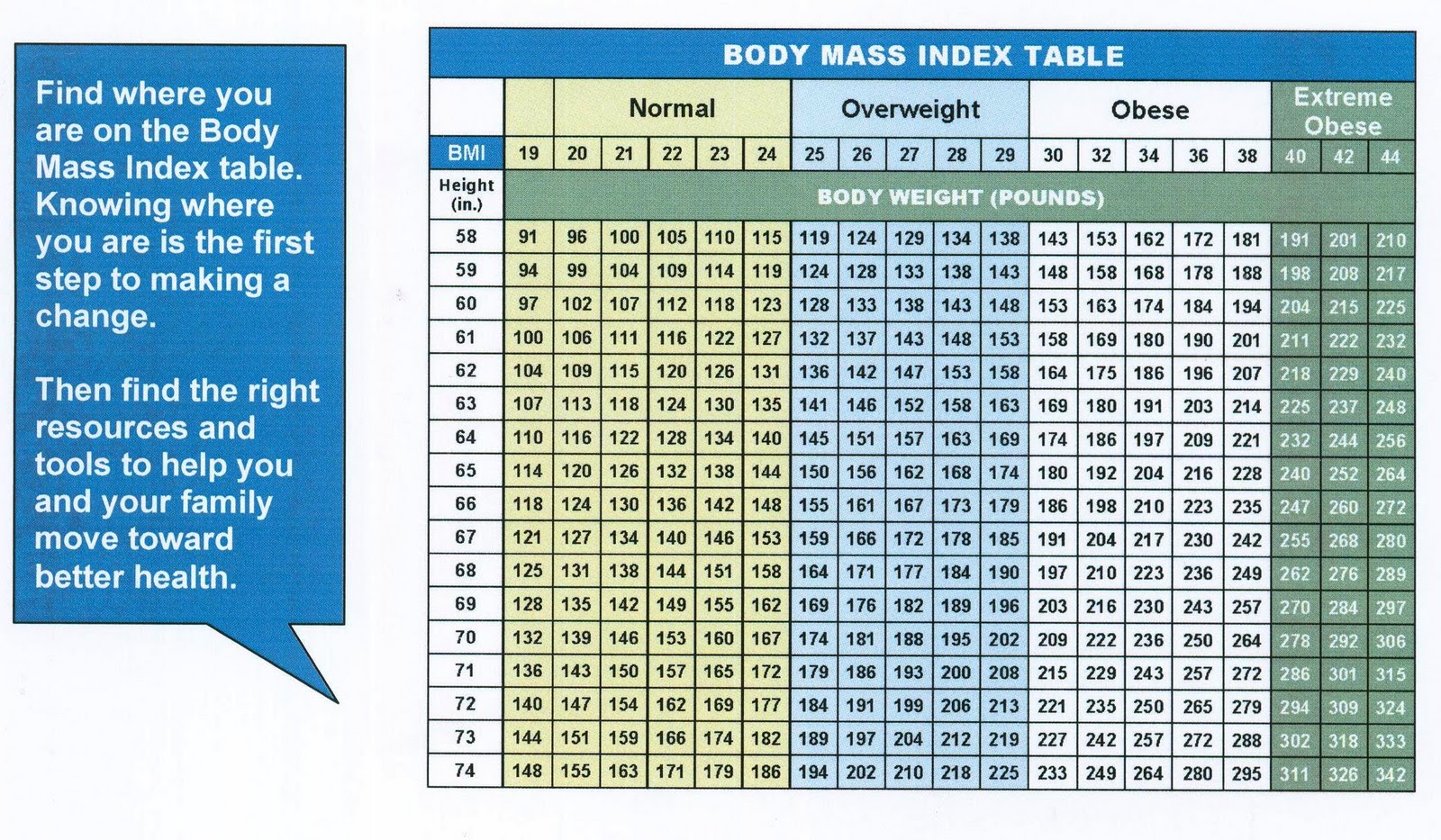
Take Back Your Health This New Year
Excela Health has provided the GCDC with a BMI table and some other useful information to lose excess weight. Check it out!
Thursday, November 10, 2011
Subscribe to:
Posts (Atom)


